





Parmod Kumar
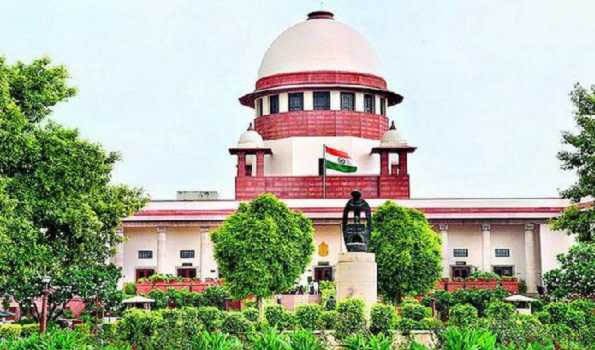
New Delhi, Feb 27 (UNI) The Supreme Court on Thursday sharply admonished a practising advocate who had sought registration of an FIR against Prime Minister Narendra Modi, Home Minister Amit Shah and others over the Citizenship (Amendment) Act, 2019 (CAA).
The Court, however, kept in abeyance the Rs 50,000 costs imposed on him by the Rajasthan High Court after he expressed regret and undertook not to pursue such proceedings again.
Hearing an appeal by the lawyer against the High court order dismissing his plea as frivolous and an abuse of process, Chief Justice Surya Kant heading a bench, also comprising Justice Joymalya Bagchi, questioned the very basis of the petition and remarked sharply on the conduct of the advocate and asked if the High Court had not imposed the cost.
When informed that the High Court had already imposed costs, the Bench asked the lawyer about his standing at the Bar. On being told that he had been practising since 1995, the CJI expressed disapproval and asked him not to file such petitions, observing that people place trust in members of the legal profession.
Justice Bagchi cautioned that disagreement with a law or ideology cannot be converted into a criminal offence. “If Parliament passes an illegal law, is it a crime?” the Court asked, indicating that the remedy lies in constitutional challenge, not prosecution of lawmakers.
The Bench warned that if the lawyer pressed the matter further, it might enhance the costs.
Following the Court’s remarks, the advocate said he had realised his mistake and did not wish to pursue the case. He undertook not to file any similar complaint or petition in relation to his earlier complaint to the police in Alwar.
Recording his undertaking and noting his repentance, the Court directed that the High Court’s order imposing costs would remain in abeyance indefinitely. However, it clarified that the order would automatically revive if he breached the undertaking given before the Supreme Court.