






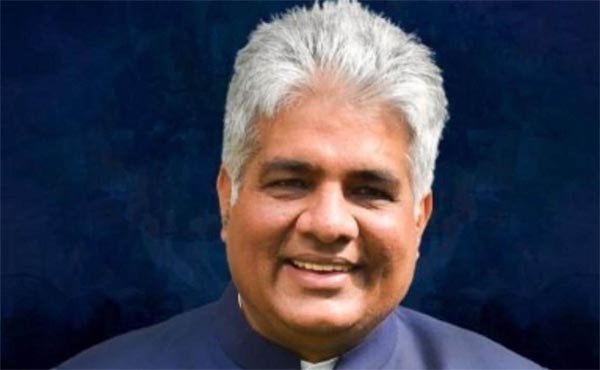
New Delhi, Dec 19 (UNI) Environment Minister Bhupender Yadav on Wednesday said the real estate sector will decisively determine whether India’s cities grow sustainably as the country moves towards its 2047 development goals, cautioning that ease of doing business cannot come at the cost of environmental safeguards.
Addressing the Confederation of Real Estate Developer Associations of India (CREDAI) National Conclave 2025 in New Delhi, Yadav said urban planning and construction must prioritise inclusion, resilience and environmental sustainability, particularly as climate risks intensify in Indian cities.
Union Home Minister Amit Shah attended the event as the chief guest. Yadav argued that development and environmental protection should not be seen as competing objectives, but as processes that must advance together.
Environmental considerations, he said, need to be built into projects at the planning stage rather than addressed later through regulatory compliance. Pointing to the real estate sector’s influence on energy consumption, water use, waste generation, air quality and urban heat, the minister said construction and housing will be central to India’s climate commitments, including its net zero emissions target for 2070.
Sustainability, he added, has shifted from being a voluntary add-on to a core requirement for future urban growth. Referring to recent climate-related stresses on cities, Yadav called for climate-resilient urban design, including flood-resilient layouts, heat-adaptive building materials, greater green cover and improved public and sustainable transport systems.
He also outlined reforms undertaken by the environment ministry to streamline environmental governance, such as digitalisation of clearance processes, adoption of a risk-based regulatory framework and initiatives like Mission LiFE and the Green Credit Programme.
Strengthening air and water quality regulation in urban areas, he said, remains a priority. While assuring industry stakeholders that compliant projects would be supported, Yadav warned that violations would be dealt with firmly.
Environmental protection, he said, should not lead to unnecessary delays, but nor should regulatory relaxation undermine safeguards. The minister urged developers to adopt energy-efficient designs, renewable energy, water-positive projects and circular construction practices, arguing that such measures would deliver long-term benefits for cities and residents alike.