





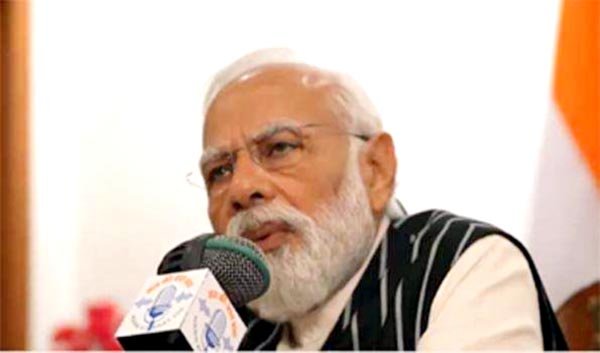
New Delhi, Aug 31 (UNI) As India aims to achieve ‘Net Carbon Zero’ goal by 2070, Prime Minister Narendra Modi, in his Mann Ki Baat address today urged citizens to adopt solar energy on a wider scale, citing its growing relevance in both urban and rural India.
He noted the increasing visibility of solar panels atop homes, government buildings, and institutions as a sign of the country’s shift towards cleaner energy sources.
“Our country is so blessed by the Sun God… so why not make full use of the energy radiated by him?” he remarked, emphasising the environmental and economic benefits of embracing solar power amidst India’s goal of reducing carbon emissions by 50 per cent by 2030 and for the entire economy to be net zero by 2070.
Highlighting the impact of solar technology on agriculture, Modi pointed to the role of solar pumps and solar-powered rice mills in enhancing farm productivity.
“The same farm, the same hard work, the same farmer… but now the result of such hard work is much more substantial,” he pointed, adding that hundreds of such rice mills have already been established across multiple states.
Modi also shared the story of one Devki Devi from Ratanpura village in Muzaffarpur, Bihar, who has emerged as a symbol of rural innovation and empowerment.
Referred to locally as “Solar Didi”, Devki’s initiative to install a solar pump through a self-help group has helped irrigate over 40 acres of farmland, benefiting not just her household but the wider farming community, he said.
Her entrepreneurial success, including receiving digital payments via UPI, has earned her widespread respect and highlighted the intersection of renewable energy, women’s empowerment, and digital inclusion, added the Prime Minister.
“Solar energy is not just a means of electricity, but a new power that brings light to every village,” Modi said, calling on citizens to embrace solar solutions for a sustainable and inclusive future.