






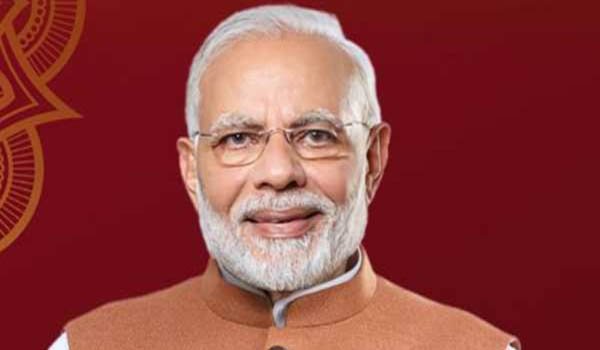
New Delhi, Oct 18 (UNI) Prime Minister Narendra Modi’s strategic GST rate cuts have unleashed an unprecedented wave of consumer spending, transforming this year’s Navratri into one of the most spectacular shopping festivals in recent memory, and fueling anticipation for a historic Diwali bonanza.
With inflation cooling to an eight-year low—CPI at a mere 1.54 percent and food inflation plunging into negative territory at -2.3 percent—households across India found their wallets breathing easier.
This financial relief paved the way for an exuberant festive spirit and soaring expenditure. The impact was immediate and dramatic. Festive and wedding season turnovers are projected to surpass a staggering Rs 7 lakh crore, marking India’s largest consumer spending spree in years. Digital payments skyrocketed overnight, soaring from Rs 1.18 lakh crore on September 21 to a jaw-dropping Rs 11.31 lakh crore on September 22, as shoppers rushed to seize the savings sparked by GST cuts.
Delhi alone witnessed festive sales estimated at Rs 75,000 crore, while Ahmedabad saw a nearly 10 percent surge in cotton fabric demand after GST reductions on garments priced under Rs 2,500.
These policy moves have not only slashed costs but revitalized local supply chains and empowered the “Make in India” movement to reclaim market dominance. The automobile sector roared to life with its best Navratri in a decade. Maruti Suzuki doubled last year’s sales, moving 1.65 lakh vehicles in just eight days, including a record-breaking 30,000 cars sold on Ashtami, the highest single-day tally in 35 years. Mahindra & Mahindra saw a 60percent jump in SUV sales, spearheaded by the XUV700 and Scorpio N. Tata Motors surpassed 50,000 vehicles sold, while two-wheeler giants Hero MotoCorp and Bajaj Auto reported double the showroom footfall compared to last year.
The Federation of Automobile Dealers Associations (FADA) hailed a historic 34 percent year-on-year growth in Navratri auto sales, attributing the surge to GST reforms and renewed consumer confidence. Consumer electronics also basked in the festive glory.
Sales of televisions, refrigerators, and washing machines surged sharply post-GST cuts, with premium product categories growing 40–45 percent. Haier boasted an 85 percent growth, nearly selling out its stock of large-screen TVs. Reliance Retail, Vijay Sales, LG, and Godrej Appliances all recorded robust double-digit growth.
E-commerce platforms emerged as prime beneficiaries of the GST-driven shopping rush. Amazon India logged over 276 crore customer visits this season, with 70 percent of shoppers hailing from tier 2 and tier 3 cities.
Prime memberships swelled in smaller towns, while same-day and next-day deliveries rose 29 percent year-on-year in metro areas, and two-day deliveries increased 37 percent in smaller cities. Meesho set new records, registering 206 crore customer visits and 117 million hours of shopping during Dussehra week alone.
Bolstered by this consumption wave, India’s stock market surged with the Nifty 50 reaching a 52-week high of 25,709, buoyed by strong foreign investment inflows and a strengthened rupee. PM Modi’s carefully timed GST cuts ahead of the peak festive season have done more than just lower taxes—they have empowered consumers, invigorated businesses, and reinforced India’s economic resilience. This festive season, India’s growth narrative shines as brightly as the Diwali diyas, illuminating the path towards a truly Viksit Bharat.