





New Delhi, Jan 8 (UNI) The Congress on Thursday flagged what it called a sharp deterioration in India-US relations, warning that bilateral ties are entering a “new abnormal” phase amid looming sanctions threats, adverse trade proposals in the US Congress and diplomatic signals that have caused “extreme discomfiture” in New Delhi.
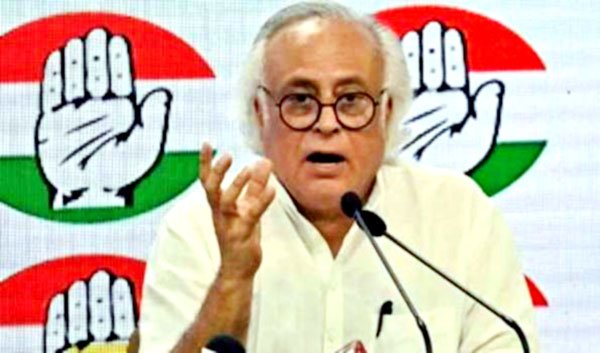
Congress general secretary (communication) Jairam Ramesh said the turbulence comes despite Prime Minister Narendra Modi being among the first foreign leaders to visit the White House during President Donald Trump’s second term, underscoring that early outreach has failed to shield India from mounting pressures in Washington.
“Indo-US relations are going through very turbulent times in spite of the PM being among the first to land up in the White House during Trump 2.0,” Ramesh said in a statement, adding that “there is undoubtedly a ‘new abnormal’ in the bilateral relationship.”
Ramesh pointed to a Bill being pushed by Republican Senator Lindsey Graham, a close ally of President Trump, that seeks to impose sweeping new sanctions on India over its trade and other ties with Russia. He also cited an earlier legislative proposal by Senator Bernie Moreno that envisages a 25 per cent tax on American companies making “outsourcing payments,” a move that could directly impact India’s IT and services sector.
“To add to India’s extreme discomfiture, President Trump continues to shower lavish praise on Field Marshal Asim Munir,” Ramesh said, referring to remarks seen in New Delhi as diplomatically sensitive given India’s strained ties with Pakistan.
“Every day is a fresh challenge, appeasing posts from the PM notwithstanding,” he added.
India and the United States have, over the past decade, projected their relationship as a comprehensive global strategic partnership, deepening cooperation in defence, technology, critical minerals and the Indo-Pacific. However, ties have periodically come under strain over trade disputes, market access, visas and India’s long-standing defence and energy relationship with Russia.
Since the start of President Trump’s second term, US domestic political debates on outsourcing, sanctions enforcement against Russia, and transactional trade policies have gained renewed momentum.
India has maintained that its engagement with Russia is guided by national interest and strategic autonomy, a position it has articulated to Western partners since the Ukraine conflict began.
The Congress has repeatedly accused the Modi government of overstating personal diplomacy and underestimating structural shifts in US policy. Ramesh’s remarks echo the Opposition’s broader critique that foreign policy challenges are being “papered over” by optics rather than addressed through sustained institutional engagement.
The government has not yet responded to Ramesh’s comments. In recent statements, New Delhi has emphasised that India-US ties remain resilient and multidimensional, and that differences are managed through dialogue.
Still, the emerging legislative moves in Washington and the tone of US political discourse, analysts say, suggest that India may face tougher negotiations ahead on trade, geopolitics and strategic alignment — lending weight to the Congress leader’s warning of a more unsettled phase in the relationship.