




By Parmod Kumar
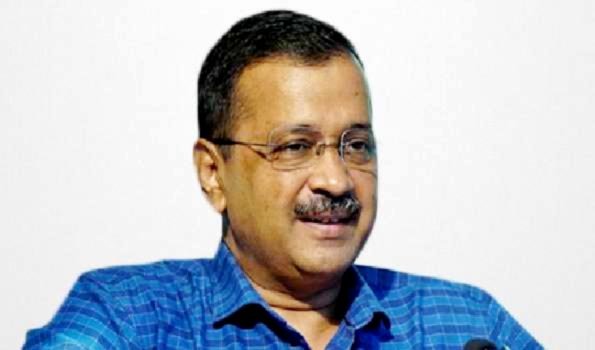
New Delhi, March 16 (UNI) Former Delhi chief minister Arvind Kejriwal has approached the Supreme Court challenging the decision of the Delhi High Court Chief Justice declining his request to transfer the excise policy case from Justice Swarana Kanta Sharma to another judge. The petition also challenges Justice Sharma’s March 9 order which stayed a trial court direction seeking an inquiry against a CBI officer who investigated the case.
Kejriwal has invoked Article 32 of the Constitution to question the administrative decision taken by Delhi High Court Chief Justice Devendra Kumar Upadhyaya on March 13, rejecting his request for transfer of the matter from Justice Swarana Kanta Sharma. The High Court registry had informed Kejriwal that the case had been assigned to Justice Sharma in accordance with the existing roster and that any decision regarding recusal would have to be taken by the judge herself.
The Chief Justice Upadhyaya stated that he did not find sufficient grounds to order a transfer of the petition on the administrative side.
The dispute arises from proceedings relating to the Delhi excise policy case. A trial court on February 27 discharged Kejriwal and 22 others from the case. The Central Bureau of Investigation subsequently challenged that order before the Delhi High Court, where the matter is being heard by Justice Sharma.
On March 9, the High Court issued notice on the CBI’s revision plea and stayed the trial court’s direction ordering departmental proceedings against the CBI officer who had investigated the case. In the same order, the High Court also asked the trial court to defer proceedings in the related Prevention of Money Laundering Act (PMLA) case and observed prima facie that some of the conclusions recorded by the trial court while granting discharge appeared erroneous.
In a letter addressed to the Chief Justice on March 11, Kejriwal expressed apprehension that the case may not receive a hearing marked by complete neutrality if it continues before the same judge. He pointed to the interim stay granted by the High Court and the direction affecting proceedings under the PMLA even though the Enforcement Directorate was not even a party before the court. According to Kejriwal, the nature of the relief granted at the threshold stage raised concerns about the fairness of the proceedings.
Kejriwal also stated that in cases of this magnitude, courts generally grant parties several weeks to file their responses, and that the manner in which the proceedings were conducted had strengthened his apprehension of bias. He further pointed out that the same judge had previously dealt with several matters arising from the excise policy controversy and had expressed detailed prima facie views on the facts of the case, some of which were later set aside by the Supreme Court.
The Supreme Court is now expected to examine the challenge to the High Court Chief Justice’s decision as well as the legality of the interim order passed in the excise policy case.