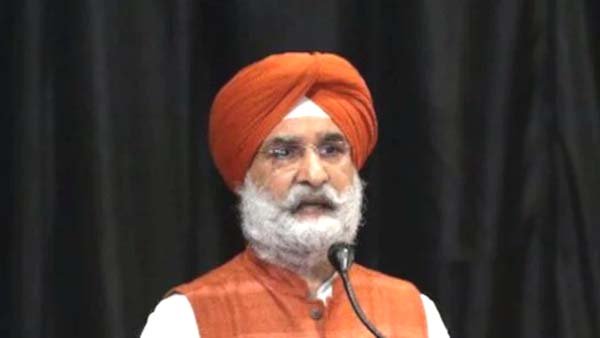






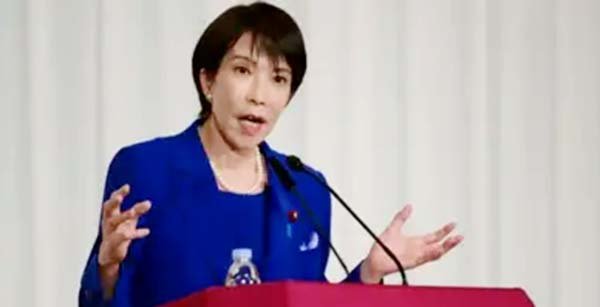
Tokyo, Jan 14 (UNI) Japan’s PM Sanae Takaichi is preparing to call a snap general election, aiming to capitalise on her strong personal approval ratings and secure a clear mandate for her government, according to her coalition partner.
Takaichi informed senior colleagues on Wednesday that she intends to dissolve the lower house of parliament shortly after it reconvenes on January 23, Hirofumi Yoshimura said.
Yoshimura leads the Japan Innovation Party, which entered a governing coalition with the ruling Liberal Democratic Party in October.
While no election date has currently been finalised, Japanese media, citing senior LDP figures, reports that a timeline between February 8-15 is the most likely scenario, as per Financial Times.
LDP Secretary-General Shunichi Suzuki said Takaichi would set out further details at a press conference on January 19.
Yoshimura said the coalition had discussed the election as an opportunity for the new government to seek public endorsement.
“The current administration has not yet received a mandate through a general election,” he told reporters, describing a snap poll as a way to build legitimacy and trust.
Takaichi took office late last year after winning the LDP’s leadership race, becoming Japan’s first woman PM, marking a historic milestone in Japanese politics.
If called, the vote would be the country’s second general election in under 18 months, reflecting a period of political flux after a string of setbacks for the long-dominant party.
The LDP lost its majority in the lower house in 2024 under former Prime Minister Shigeru Ishiba, and the following year its coalition also lost control of the upper house. Those defeats left the party weakened in parliament, even as it retained power.
Since taking office, however, Takaichi has enjoyed unusually high personal approval. While overall support for the LDP hovers around 35%, cabinet approval ratings linked to the prime minister herself have reached as high as 76% in some polls.
Analysts say that this gap is what has encouraged her to consider an early election, betting that voters will respond more to her leadership than to party labels.
Her standing as premier has been significantly bolstered by a string of high-profile moments, which include the internationally covered high-profile visit by US President Donald Trump shortly after she was sworn in, as well as her hardline stance on Chinese adventurism over Taiwan and the Senkaku islands.
As Takaichi has doubled down on Chinese aggression — in turn leading to a significant degradation of bilateral relations between Tokyo and Beijing — her uncompromising stance on national security, and her overall assertive and strong style of leadership has given her position a notable boost in popularity.
Still, the decision carries with it significant risks, because amid fickle voter loyalties, and smaller opposition factions rising to prominence, personal popularity, as her analysts may not be good enough to double down on, when it comes to securing a durable guarantee for parliamentary majority.
The whole scenario becomes a bold gamble, more so when taking into account that the LDP, for decades has relied on a stable partnership with Komeito to secure victories in closely contested constituencies.