




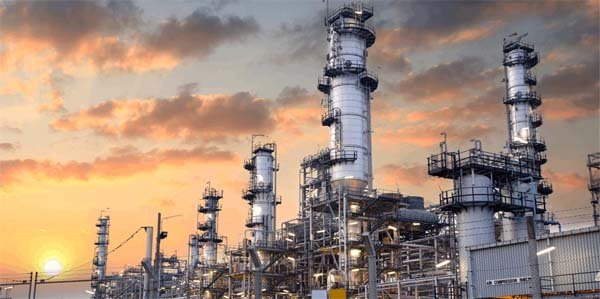
New Delhi, Oct 14 (UNI) An India-supported mega oil refinery in Mongolia, the Dornogobi Oil Refinery, being built with a $1.7 billion Line of Credit (LoC), is slated to become operational in 2028. Mongolia is also keen for India to tap its vast coal reserves as well as uranium, said a top official today.
Briefing the media on the talks between Prime Minister Narendra Modi and visiting Mongolian President Khurelsukh Ukhnaa, Secretary East P Kumaran said the oil refinery, designed to process 1.5 million tons of crude annually, will help reduce Mongolia’s reliance on Russian oil imports.
“The Line of Credit of $ 1.7 billion is India’s largest supported project. Originally, the oil refinery was estimated at $ 1.2 billion, but some delays took place, initially due to Covid, and also the construction season in Mongolia is only for a few months, as during peak winter everything shuts down in extreme -35 degrees Celsius temperatures,” he added.
Secretary P Kumaran said he had visited the oil refinery site last month. “Almost all the civil work is over. The refinery equipment is being made in India and is being shipped to Mongolia. We expect that by 2028, the refinery should be operational,” he added.
Mongolia is keen to use its own crude reserves to be fed into the new refinery, “so that they can be as independent as possible”, he said.
Mongolia is looking to India to tap into its large reserves of coking coal, which is needed for India’s steel industry and which India is presently buying from other countries including Australia. “Mongolia offers itself as a potential partner in coking coal. The only difficulty is that it is a landlocked nation, and it is difficult to ship the coal. Most of its coal is shipped to China,” he said, adding that in case India purchases the coal then it will have to be brought through Vladivostok port in Russia or through Tianjin in China.
India is examining all the possibilities to purchase coal from Mongolia. “We are talking to both (Russia and China) to bring Mongolian coal through the Trans Siberian Railway,” the Secretary added.
Mongolia also has rich reserves of copper, gold, iron, zinc and uranium. Mongolia signed a one million tonne per annum deal with France for unearthing and mining uranium. India has also evinced interest in uranium mining, he added.
Mongolia is also keen that its vast open spaces be utilised for renewable energy projects, like solar energy. Mongolian President Khurelsukh Ukhnaa told Prime Minister Modi that the country gets good sunlight in the southern region. It calls itself the Land of Eternal Blue Skies. “It has large empty spaces for solar panel fields to be set up, and has committed to joining the International Solar Alliance, and signed the framework agreement. We hope to partner with them,” Secretary P Kumaran added.
On the MoU on geology and exploration, the Secretary said that Mongolia wants to do more prospecting for crude, and wants India to help with that, and has offered exploration as a potential area of cooperation.
Mongolia is also keen for more direct flights between Ulaanbaatar and India, and the viability in this sphere is being explored, he added. A private Mongolian carrier is keen on running chartered flights to India, he said, adding that they are looking at the offer on how to take it forward.
Earlier in the day, the two sides exchanged MoUs for cooperation in Humanitarian aid, restoration of heritage sites in Mongolia, cooperation in immigration, geology and mineral resources, promotion of Cooperatives, and sharing of digital solutions.
Both PM Modi and President Ukhnaa also jointly released the commemorative stamps marking the 70th anniversary of bilateral relations. Prime Minister Modi said India has decided to provide free e-visas to Mongolian citizens, and will sponsor the annual visit of young cultural ambassadors from Mongolia to India.