






New Delhi, Dec 9 (UNI) ML Jat, ICAR Director General, on Tuesday said that India’s agriculture needs to move towards a more efficient, technology-driven and market-ready model.
While addressing a media summit here, he called for a long-term shift that strengthens farmers’ skills, improves the value chain and reduces the system’s dependence on subsidies.
Jat said the future of farming will depend on how quickly India adopts modern technologies and better agricultural practices.
He stressed that farmers must gradually reduce their reliance on chemical fertilisers and instead focus on using biological sources and making their own manure. This, he noted, will not only improve soil health but also help farmers cut costs.
A key part of his message was the need to rethink subsidies. Jat said subsidies often end up rewarding inefficiency and limiting the ability of farmers to choose what works best for them.
He argued that the system should shift towards incentives that reward efficiency and encourage better farming practices. According to him, farmers who adopt modern tools, conserve resources and improve productivity should be recognised and supported.
Jat also underlined that India needs to focus more on strengthening the entire value chain. This means improving how food is grown, stored, processed and sold. He said farmers must be connected directly to markets so they can earn better prices and respond quickly to demand.
He added that developing agro industries and creating specialised farming zones can bring more stability and growth to rural economies. With stronger value chains in place, he said mechanisms like MSP would become less necessary as farmers gain more direct market access.
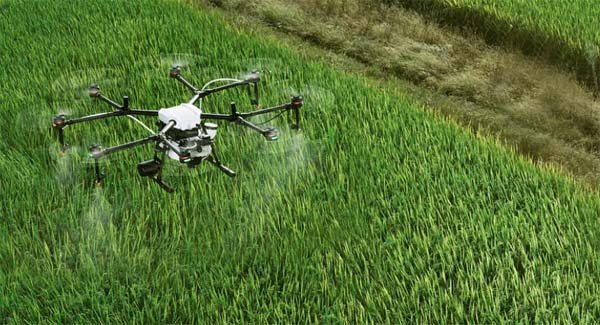
Technology, he said, will play the biggest role in shaping the next phase of Indian agriculture. Farmers need to learn how to use digital platforms, understand market trends, and apply tools like artificial intelligence to improve their decision-making.
Jat stressed that skilling and capacity building will be essential – farmers must be trained to use new equipment, analyse data and respond quickly to changing conditions in the market and on the field.
He highlighted the importance of teaching farmers not just farming techniques but also market knowledge.
Understanding how prices move, what crops are in demand and how value addition works, he said, will help farmers become more confident and independent. Building specialised farming zones equipped with modern infrastructure, training facilities and nearby agro-processing units can further strengthen the ecosystem.
Jat said the broader goal should be to make farmers self-reliant. This requires giving them access to the right knowledge, the right technology and the right market linkages. A shift towards tech-led farming, efficient input use and strong value chains, he noted, will help Indian agriculture become more competitive and sustainable in the long run.
His remarks reflect an emerging view within the agri-policy space—that India must move beyond subsidy-driven farming and instead empower farmers through skills, technology and market tools that prepare them for a rapidly changing agricultural landscape.