






New Delhi, Dec 31(UNI) India has notified safeguard duty on select steel products that will remain in place for three years, a step that underscores New Delhi’s desire to protect domestic steelmakers like Tata Steel, Jindals and SAIL from what it considers as “unfair competition.”
Under a notification issued by the finance ministry on Tuesday, the levy will begin at 12 per cent in the first year, from April 21, 2025, to April 20, 2026. It will then taper slightly to 11.5 per cent in the second year and to 11 per cent in the third, ending on April 20, 2028.
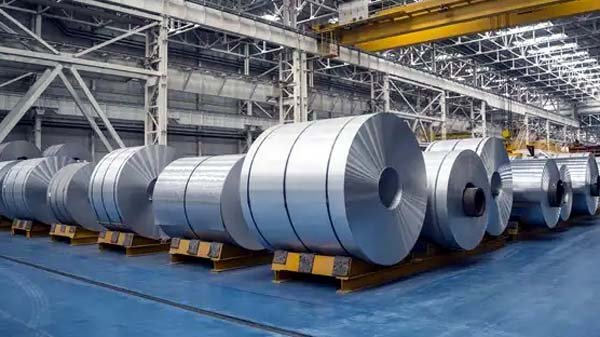
The measure applies to certain non-alloy and alloy flat steel products, including hot-rolled and cold-rolled coils, sheets, plates and coated products. The decision follows months of investigation and lobbying by domestic producers, who have warned that a surge in imports, particularly from China, was inflicting serious damage on local manufacturers. The move however specifically excludes imports from certain developing countries, though China, Vietnam, and Nepal will be subject to the levy. It also will not apply to specialty steel products such as stainless steel.
The Indian Steel Association, which represents major players such as Tata Steel and JSW Steel, filed a formal complaint arguing that an abrupt and sustained rise in low-priced imports amounted to an “unforeseen development” under global trade rules. In April 2025, as the inquiry was still underway, the government imposed a provisional safeguard duty of 12 per cent for 200 days to arrest the immediate impact of the import surge.
That temporary levy covered the same category of flat steel products and was meant to provide breathing room to domestic mills while investigators assessed the scale of the problem. In August 2025, the Directorate General of Trade Remedies, the government’s trade watchdog, issued its final findings, concluding that the increased imports “had caused serious injury to the domestic industry” and recommended a phased safeguard duty over three years, with gradually tapering rates.
The finance ministry has now accepted those recommendations in full, said officials. The data, cited during the probe showed an upward spike in imports with India’s steel imports rising from about 5.8 million tonnes of finished steel in 2019-20 to 9.5 million tonnes in 2023-24.
The move however could unsettle downstream industries that depend heavily on cheap steel, including automobile manufacturers and construction firms. Industry groups and policy analysts have cautioned that higher steel prices could raise input costs, squeeze margins and make Indian exports less competitive at a time when global demand remains fragile.