




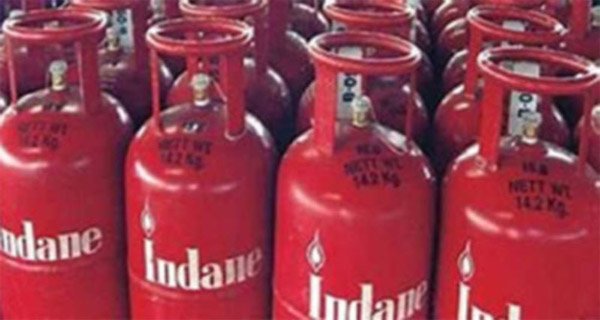
New Delhi, March 12 (UNI) The livelihoods of food delivery partners and other workers linked to the sector are severely affected due to the ongoing conflict in West Asia that has disrupted the LPG supplies.
The Gig and Platform Service Workers union (GIPSWU) in a social media post on X, said the ongoing conflict in West Asia is disrupting LPG supplies and severely affecting the livelihoods of delivery partners and other workers linked to the sector.
The union said disruptions in global LPG supplies have led to shortages of commercial cylinders, forcing the closure of restaurants, dhabas, cloud kitchens, catering services and street vendors. According to the union, this has wiped out 50-60 per cent of food delivery orders on online platforms such as Zomato and Swiggy.
It further said the gig workers lack fixed wages or social security benefits, making them particularly vulnerable during supply shocks and economic disruptions.
GIPSWU has written to the union Labour Minister seeking urgent intervention and requesting an emergency meeting with platform companies and oil firms.
The union has also sought the oil ministry to ensure a 24/7 commercial LPG supply to food businesses Zomato, Swiggy, and other platforms to pay Rs 10,000 immediate relief per affected worker. It has also asked for a three-month moratorium on ID deactivations and minimum daily incentives.
Further, GIPSWU seek full gig worker coverage under the Code on Social Security, 2020.
At the inter-ministerial press briefing on Wednesday, Sujata Sharma, Joint Secretary in the Ministry of Petroleum and Natural Gas, had said India’s crude oil supply remains secure despite disruptions to global energy routes caused by the ongoing West Asia crisis.
Sharma said India’s current crude procurement volumes exceed the quantity that would normally arrive via the strategically important Strait of Hormuz.
“India’s crude supply remains secure. Our daily consumption is about 55 lakh barrels. Through diversified procurement, the volumes we have secured today exceed what would normally have arrived through the Strait of Hormuz during this period,” she said.
India imports crude oil from around 40 countries, enabling it to mitigate risks arising from geopolitical tensions affecting key shipping routes. Domestic refineries are operating at full capacity and in some cases even above capacity to ensure uninterrupted availability of petroleum products across the country, she added.
The union Government has als invoked the Essential Commodities Act (EC Act) to safeguard India’s domestic energy market and ensure uninterrupted availability of cooking gas.
According to the Ministry of Petroleum and Natural Gas, the government has issued a control order directing refineries and petrochemical units to maximise the production of liquefied petroleum gas (LPG) and divert key hydrocarbon streams to the LPG pool.
The move aims to maintain a steady supply of cooking gas across the country.
The ministry had said the invocation of the EC Act establishes a clear priority framework for natural gas distribution in order to manage the current supply constraints. Under the new mandate, domestic piped natural gas (PNG) for households and compressed natural gas (CNG) for vehicles will receive 100% assured supply.