


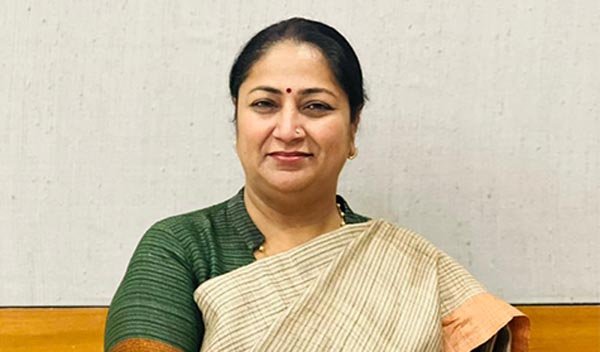
New Delhi, (UNI) In a step towards further strengthening healthcare services in the national capital, Delhi Chief Minister Rekha Gupta on Sunday said that the integration of key medical institutions in the city will benefit the sector while significantly improving medical education.
The move is also expected to pave the way for a substantial increase in MBBS and postgraduate (PG) seats in the city.
Moving ahead in this direction, the Delhi government plans to merge Guru Teg Bahadur Hospital (GTB), Delhi State Cancer Institute (DSCI), and Rajiv Gandhi Super Speciality Hospital (RGSSH) to create an autonomous institution on the lines of the AIIMS model.
In addition, efforts are underway to develop the Institute of Human Behaviour and Allied Sciences (IHBAS) into a second National Institute of Mental Health and Neurosciences (NIMHANS-2).
With this, the CM said that a key objective of the project is to significantly increase post graduate seats so that more doctors can receive specialist training and the quality of healthcare can be enhanced.
Similar departments and disciplines currently operating separately across GTB Hospital, DSCI, and RGSSH will be integrated as part of the plan, as it is being said that presently, resources and manpower are fragmented, which results in under- utilization.
It is expected that once integrated, faculty members, including assistant professors, associate professors, and professors, will be pooled together.
According to medical norms, an associate professor can support two PG seats, while a professor can support three, which means that simply by combining faculty strength, it will automatically increase the number of PG seats.
Similarly, the officials indicate that departments such as radiology, pathology, and anaesthesia are likely to see a significant rise in seats.
Following the integration, new faculty will be brought on board, which will pave way for PG seats in some specialised departments, that currently do not offer them like the radiation oncology, nuclear medicine, cancer research, and intensive care.
According to the CM, an increase in bed strength, patient load, and faculty numbers will also create strong prospects for expanding MBBS seats in the future.
The government also plans to develop hostels, modern laboratories, lecture theatres, and other academic infrastructure to ensure a better learning environment for students.
Gupta has said that the initiative is not limited to improving healthcare delivery, but also move in the direction towards expanding medical education and promoting research.
The CM said the plan will help position Delhi as a leading national centre for medical education, research, and advanced healthcare services.