
Mousmi Chouhan
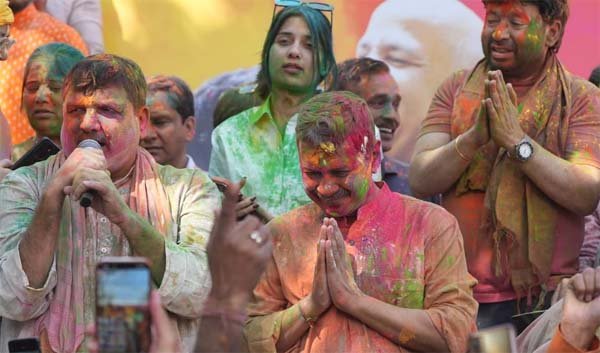
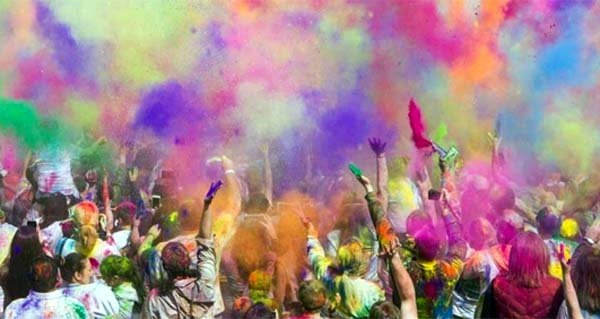
New Delhi, March 4 (UNI) As the festival of colours, Holi, arrives this year, towns and villages across northern India are coming alive with music, dance, and the unmistakable vibrancy of coloured powders. From Mathura and Vrindavan in Uttar Pradesh to the heartlands of Rajasthan, Bihar, and Jharkhand, communities are observing centuries-old traditions that showcase the rich cultural tapestry of the region.
In Mathura and Vrindavan, the birthplace and playground of Lord Krishna, Holi is celebrated with unmatched devotion and exuberance. The festivities here begin days in advance with Lathmar Holi, a unique tradition where women playfully hit men with sticks while men defend themselves, accompanied by folk songs and dances.
Streets are lined with vibrant stalls selling gulaal (coloured powders), pichkaris (water guns), and traditional sweets like gujiya and malpua. Temple rituals, including singing bhajans in praise of Krishna, are intertwined with playful water and colour fights. The celebrations in these towns are marked by devotion as much as by fun, with devotees singing and dancing in honour of the divine love between Krishna and Radha.
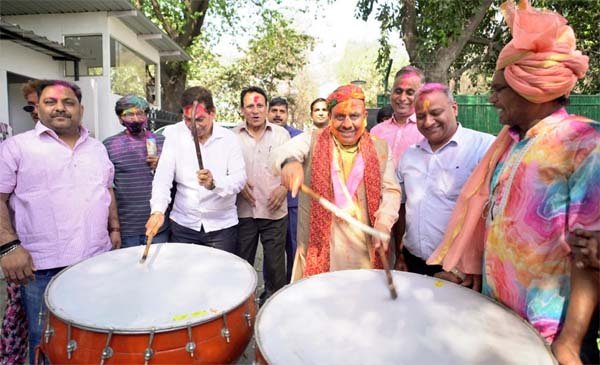
In Rajasthan, Holi is celebrated with a royal flair, especially in cities like Jaipur, Udaipur, and Pushkar. Folk dances such as Ghoomar and Kalbeliya accompany the playful exchange of colours, while local bands play traditional instruments like dholak and manjira.
In rural villages, the festival also involves ritualistic bonfires on Holika Dahan, symbolising the triumph of good over evil. Communities gather around the fire, singing folk songs and offering grains, coconut, and other offerings to the flames. The next day, groups of people come on the streets of their locality, drenching each other in coloured powders and water, maintaining the age-old custom of bonding and celebration.
In Bihar and Jharkhand, Holi is celebrated with a blend of spiritual and social fervour. Traditional songs like “Phagua” and regional folk dances mark the occasion, while local sweets such as khurma, gujiya, and thandai are shared among neighbours and family members.
Villagers often prepare for weeks, making natural colours from flowers, turmeric, and herbs, keeping the celebrations eco-friendly and safe. In Jharkhand, the festival also carries tribal influences, with indigenous communities incorporating drums, flutes, and local rhythms into the festivities.
Uttar Pradesh, beyond Mathura and Vrindavan, witnesses a more communal form of Holi, where families and friends visit each other, playing with gulal and coloured water while offering sweets and greetings. In towns like Agra and Kanpur, cultural programmes featuring local artists, storytelling, and folk music complement the vibrant street celebrations.
Across all these states, a common thread of Holi is evident: the festival brings communities together, transcending age, gender, and social boundaries. Traditional rituals like Holika Dahan, devotional singing, and the playful exchange of colours coexist with modern twists such as music festivals, eco-friendly colours, and creative performances.
As India revels in Holi, these regions not only showcase their cultural heritage but also remind the world of the joyous spirit, unity, and colour that the festival brings. From spiritual devotion in Vrindavan to folk vibrancy in Rajasthan, and community bonding in Bihar, Jharkhand, and UP, Holi remains a celebration that is timeless, authentic, and profoundly Indian.