



P Krishna Kumar
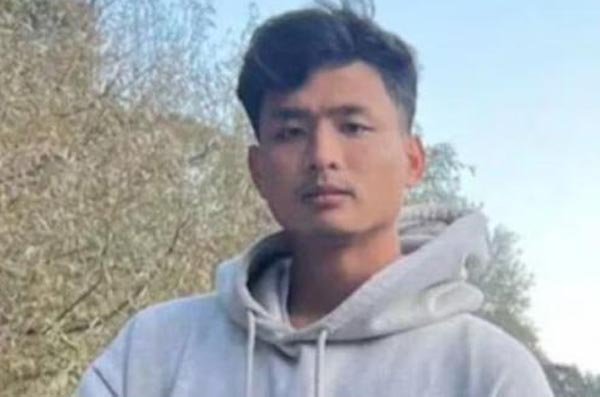
New Delhi, Jan 3 (UNI) The brutal murder of Anjel Chakma, an MBA student from Tripura in an alleged racial attack in Dehradun recently has brought to the fore a 10-year-old committee report and its recommendations which is yet to be implemented in its letter and spirit.
In 2014, after the infamous Nido Taniam murder case in national capital Delhi, the Home Ministry had appointed the Bezbaruah Committee headed by retired IAS officer MP Bezbaruah to investigate the concerns, discrimination and violence faced by people from the Northeastern region of India in metros and other cities, and suggest steps to end racial discrimination.
Although the Bezbaruah committee had submitted a comprehensive report with both “preventive and punitive” steps required to be taken at the policy-level, and a monitoring committee has been constituted by Home Ministry, and still active, to implement the recommendations of the committee, actions has been patchy so far.
“We have given a lot of recommendations after speaking to a large cross-section of people in many cities. The recommendations were of both preventive and punitive nature,” said MP Bezbaruah in a telephonic conversation with UNI.
Considering that the Northeast of the country is different from other regions, students and people who migrate to other metros for education, work, etc, face a lot of “unpleasant experiences of racial nature” Bezbaruah said, and therefore, “building bridges” was the over-arching theme of the report.
When asked about implementation of the recommendations, Bezbaruah said that while some steps have been taken in national capital, Delhi, like a dedicated helpline number – 1093 – a dedicated hostel for NE students, not much has been done elsewhere in the country.
One of the key recommendations of the report was including a special provision in the IPC and CrPC to deal with incidents of racial nature faced by people from some regions.
However, that crucial recommendation has been overlooked even at the time of the amendment of these laws into three new rules – BNS, BNSS and BSA, in 2024.
Understanding the existing provisions in IPC 153 (A) and (B) was not enough to deal with extreme cases of “racial discrimination and abuse”, the monitoring committee also made representation to the Home Ministry at the time of amendment to include a new provision 153 (C) to make the law more stringent.
However, the law makers ignored that recommendation, said a monitoring committee member. “We didn’t ask for a separate law for the Northeast people,” said Alana Golmei, who was part of the Bezbaruah Committee as well as a member of the monitoring committee constituted to implement the committee recommendations.
She said that people from different regions face similar discrimination when they travel for studies or work to other places, she said.
The monitoring committee, she said, hardly met 15 times in the last 9-odd years. On a personal level, she said that she was “a little disappointed” with the outcome achieved so far. “The union government has to do a lot,” she said.
Other recommendations of dedicated hostels and a multi-cultural centre for northeast, etc. are still work in progress. Although first in the two hostels for Northeast students, Barak Hostel, was opened in April 2025 at JNU, there were protests as students from other regions were also accommodated in the hostel.
The proposed Multicultural centre in Dwarka Delhi is still work in progress.
“We asked the police in all states to be sensitised on racial discrimination related issues faced by people from the Northeast,” said Bezbaruah, however, he lamented that it is a far cry still if the latest Dehradun incident is analysed in-depth.
He said that the committee has also recommended to include dedicated chapters in NCERT curriculum about northeast – its landscape, people, culture and heroes, to inculcate awareness of the region in the children. On that front also, progress has been patchy.