





Mousmi Chouhan
New Delhi, Mar 3 (UNI) As spring arrives across India, the vibrant festival of Holi begins with Holika Dahan, the ceremonial bonfire that symbolizes the victory of good over evil.
Celebrated on the full moon night of the Hindu month of Phalguna, Holika Dahan marks the triumph of devotion and righteousness, rooted in the ancient legend of Prahlada and the demon king Hiranyakashipu.
According to Hindu mythology, Prahlada’s unwavering devotion to Lord Vishnu angered his father Hiranyakashipu, who sought to kill him. The king’s sister, Holika, who was immune to fire, sat with Prahlada in a blazing pyre.
However, divine intervention saved Prahlada while Holika perished. The ritual bonfire reenacts this story each year, reminding communities that faith and truth ultimately prevail.
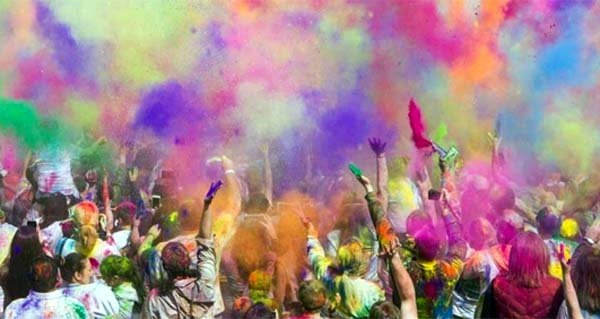
The following day, known as Rangwali Holi or Dhulandi, streets transform into a kaleidoscope of colours. People smear each other with gulal (colored powder), splash water, dance to music, and share festive sweets like gujiya and thandai.
The colours of Holi carry deep symbolism: red represents love and fertility, yellow signifies turmeric and prosperity, green stands for new beginnings, and blue is associated with Lord Krishna.
Historically, Holi finds mention in ancient Sanskrit texts and temple carvings dating back centuries. Over time, it evolved into a festival that transcends caste, age, and social divisions, promoting unity and joy. In places like Mathura and Vrindavan, associated with Lord Krishna, celebrations can last for days, attracting visitors from around the world.
In modern times, Holi has grown into a global cultural phenomenon. From community gatherings in the United States and the United Kingdom to large-scale “colour runs” and music festivals inspired by the tradition, the spirit of Holi has crossed borders. Increasingly, there is also a push toward eco-friendly celebrations, with herbal and organic colours replacing synthetic ones to reduce environmental harm.
More than just a festival of colours, Holi remains a celebration of renewal, forgiveness, and togetherness, a joyful reminder that after every winter, spring returns in full bloom.