




New Delhi, 29 Jan (UNI) The Economic Survey of India 2025-26, tabled in Parliament on Thursday by Minister for Finance and Corporate Affairs, Nirmala Sitharaman, highlighted the dearth of materials and battery storage technologies as the two major hurdles India faces for shifting to a low-carbon economy, energy sources, and wider adoption of renewable energy sources such as solar and wind power.
Emphasising the Centre’s efforts in expanding the nation’s capacity for non-fossil fuel energy sources, the survey noted that, “India has already surpassed the goal of 50 per cent installed power capacity from non-fossil fuel sources, which stood at 51.93% at the end of December 2025, supported by record annual additions of renewable energy capacity.”
A total of 38.61 GW of renewable energy capacity has been installed in the country, comprising 30.16 GW of solar power, 4.47 GW of wind power, 0.03 GW of bio-power, and 3.24 GW of hydro power.
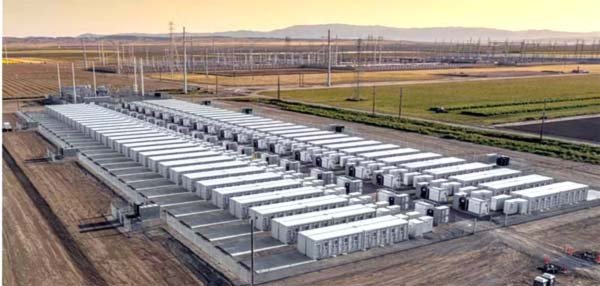
Despite the progress in expanding non-fossil fuel energy, challenges remain. The survey cautioned that rapid introduction of complex energy systems without adequate buffers, redundancy, and institutional capacity could make the system fragile rather than thriving. It also identified material shortages and storage requirements as key roadblocks to greater utilisation of renewable energy.
The document also brought focus to the investment risks associated with moving too fast into clean energy without sufficient reliable power, grid strength, and backup systems, citing experiences from European countries such as the Netherlands, Germany, and Spain, etc.
To meet the energy security and transition goals to mitigate global warming, the survey highlighted that India’s energy transition is being pursued through a combination of initiatives across various sectors, including nuclear, solar, and wind energy, green hydrogen, battery storage, and critical minerals.