





Pankaj Jain
New Delhi, Jan 21(UNI) Delhi Water Minister Parvesh Verma chaired the 176th meeting of the Delhi Jal Board (DJB) on Wednesday at the Delhi Secretariat. The meeting focused on preparedness for the upcoming summer season, efficient use of water resources and closing long-pending infrastructure gaps, particularly in unauthorised colonies and peripheral areas of the city.
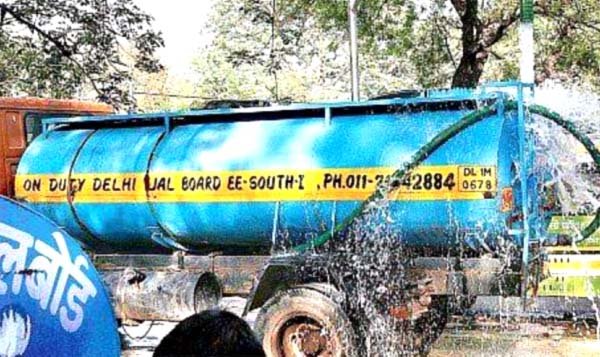
DJB approved 600 electric vehicle (EV) water tankers to ensure an uninterrupted water supply during peak summer months.
Water minister Parvesh Verma stated that 300 tankers will be deployed exclusively for free water supply in residential areas facing shortages, while the remaining 300 will operate on a regulated, paid basis for commercial and institutional users.
Officials said the move is intended to dismantle the existing grey market in water tankers, which is often associated with high costs, lack of accountability and pollution. All DJB-operated tankers will have stainless steel tanks, GPS-based real-time tracking and app-based booking and monitoring systems.
The board also approved the revival of the pondage area at the Wazirabad Barrage, where water storage capacity has declined sharply over the years due to heavy siltation. The project involves scientific desilting to restore storage capacity ahead of the summer season.
In a departure from earlier practice, officials noted that the desilting exercise will generate revenue for the DJB through monetisation of the removed silt, instead of adding to expenditure.
Delhi Jal Board expected to earn Rs. 25 crore through the sale of excavated silt.
DJB also cleared house sewer connection works for four Groups of Colonies Sangam Nagar, Ranhola, Wazirabad and Begumpur. The projects are expected to connect thousands of households to the formal sewer network, replacing open drains and unsafe sewage disposal.
According to officials, around 12.5 lakh residents are expected to benefit from these works, which will be completed within 6 to 12 months. Treated sewage from these areas will be routed to designated sewage treatment plants, reducing pollution load in drains and the Yamuna.
Another key approval was for the Zindpur Decentralised Sewage Treatment Project, aimed at intercepting sewage currently flowing untreated into the Yamuna from the Palla Group of Colonies. The project includes a 15 MGD sewage treatment plant along with pumping stations and allied infrastructure.
The scheme will cover 33 colonies and 14 villages across areas such as Narela, Burari and Badli, benefiting over 4.17 lakh people and significantly cutting untreated discharge into the river.
Board also approved consultancy and project management services for the preparation and revalidation of the Water Master Plan 2051, which will serve as a long-term roadmap for water supply augmentation, infrastructure modernisation and sewerage management in Delhi.
In addition, Operation and maintenance approvals were granted for the Bhagirathi and Dwarka Water Treatment Plants to ensure uninterrupted supply in East, North-East and South-West Delhi.
Addressing the media, Water Minister Parvesh Verma said, “To improve sanitation services, the minister said the tender process is underway for procuring 300 new vehicles for cleaning septic tanks across Delhi.”
This service will be provided free of cost by the Delhi Jal Board to households, he added.
The board also reviewed plans to enhance sewage treatment capacity. Verma said DJB currently treats more than 1,100 million gallons per day (MGD) of sewage water.
Discussions have been held with various departments to utilise treated water for irrigating parks, and a tender for the same is expected to be issued soon.
Water minister further told media that Jal Board to bring a proposal to promote the use of treated wastewater at construction sites, where fresh water is currently being used.
The proposal will first be adopted by the Government of India and the Delhi Government, after which the facility will be extended to private users, he added.
Targeting the previous government, Verma said sewer networks were never laid by previous administrations. He said work is underway to bridge gaps in sewer infrastructure in thousands of old colonies and villages that lack proper sewer lines.
Referring to Kirari, the minister said the absence of a sewer network in the area was a major lapse by earlier governments.
He informed that a large drain is being constructed by the Irrigation & Flood Control (IFC) department in Kirari to carry both sewage and rainwater, for which Rs.220 crore has been approved.
“The problems of Kirari will be resolved soon. While earlier governments did little, the present government is taking concrete action”, Verma said.