




Joymala Bagchi, New Delhi, Jan 12 (UNI): With assembly elections scheduled this year in four predominantly agrarian states, the focus of the union Budget 2026-27 is likely to be on agriculture and rural development.
According to sources, as the first step in this election oriented planning, union Minister for Rural Development and Agriculture, Shivraj Singh Chouhan, held an important meeting last month.
The meeting attended by agricultural economists, policy planning experts, and representatives from various farmers’ organisations centered on the current state of agricultural production in the country, the increasing dependence on imports, and creating a roadmap for areas which should receive attention in the upcoming budget to directly benefit farmers.
According to sources, the discussion primarily revolved around identifying the sectors where the government is under pressure and in which sectors, if addressed, would yield economic advantages.
Agricultural economists at the meeting expressed concern over the mere 3.5 per cent nominal GDP growth in the agricultural sector. According to them, despite increased agricultural production, the GDP figures indicate that farmers are not receiving fair prices or profits, sources told UNI.
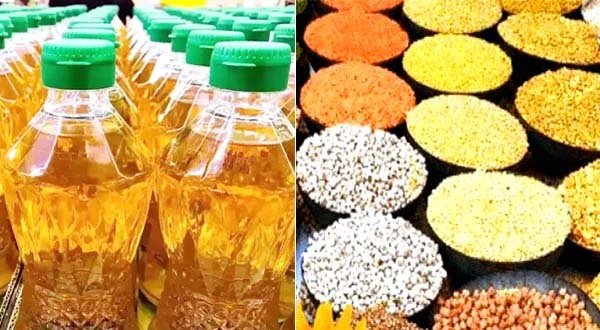
The issue of pulses and edible oils received particular attention at the meeting. The reality is that India imports approximately 16 million tons of edible oil annually, which accounts for about 57 per cent of the country’s total demand.
Domestic production of palm, soyabean, and sunflower oil still lags behind demand significantly. Similar scenario prevails in pulses too.
In the 2023-24 financial year alone, pulse imports reached approximately 4.5 to 4.7 million tons, a large portion of which came from Canada, Myanmar, and Australia.
During the meeting, union Minister also gave a clear message regarding fertilizer subsidies.
According to sources, he clearly stated that the government has no plans to reduce fertilizer subsidies in the current situation. Instead, the focus is on how to deliver fertilizers directly to farmers through the government system and reduce the influence of middlemen.
The Pradhan Mantri Kisan Samman Nidhi scheme for providing financial assistance to farmers also featured prominently in the meeting’s discussions.
Representatives of farmer organisations claimed that the current assistance of Rs 6000 per year is insufficient in the present circumstances. They proposed increasing this amount to Rs 12,000 per year and transferring the money directly to farmers’ bank accounts every three months.
According to officials, Shivraj Singh Chouhan did not object to this proposal.