



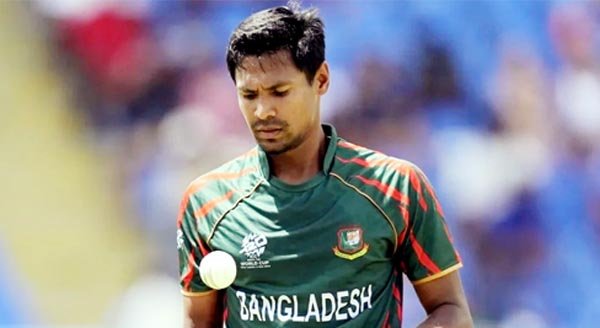
Kolkata, Jan 3 (UNI) Kolkata Knight Riders (KKR) on Saturday confirmed that Bangladesh pacer Mustafizur Rahman has been released from the squad ahead of the Indian Premier League (IPL) 2026 season.
The franchise said the move was carried out following due process and consultations, as per instructions from the Board of Control for Cricket in India (BCCI), the regulator of the IPL.
KKR added that a replacement player will be allowed in line with IPL regulations, with further details to be announced in due course.
The decision has attracted controversy, widely referred to as the “SRK row”, following the involvement of KKR co-owner Bollywood actor Shah Rukh Khan. KKR’s signing of Mustafizur Rahman, while legal under IPL rules, triggered strong political and public backlash in India because of broader diplomatic and communal sensitivities between India and Bangladesh.
This statement comes in the wake of KKR purchasing Mustafizur Rahman for Rs 9.20 crore during the IPL auction held in December. The move was met with significant backlash from political and religious quarters, who cited Bangladesh’s current diplomatic stance and reports of violence against Hindu minorities as cause for concern.
A BJP leader from Uttar Pradesh, Sangeet Som, publicly criticized Shah Rukh Khan for buying the Bangladeshi player, calling him a “traitor” amid reports of atrocities against Hindus in Bangladesh.
Som warned that Rahman would face difficulties entering India and condemned Khan for profiting from the country while allegedly ignoring the plight of minorities abroad.
Spiritual guru Devkinandan Thakur also opposed Rahman’s inclusion, urging the KKR management not to play him.
The remarks were criticized by opposition and Congress leaders, who called the BJP’s attacks communal and politically motivated. BJP ally and UP minister Om Prakash Rajbhar said Som made such statements to stay in the limelight.
The controversy comes amid frosty India-Bangladesh ties following the lynching of a Hindu man in Mymensingh last month.
The critics argued that sporting decisions should reflect diplomatic and cultural contexts. These arguments went beyond cricketing logic and drew in commentators from political and religious spheres.