




New Delhi, Nov 17 (UNI) Noting a global shortage of 4.5 million nursing professionals, Health Ministry officials said that this gap creates a significant demand, unlocking the doors for pushing policy shifts to aid the migration of nurses.
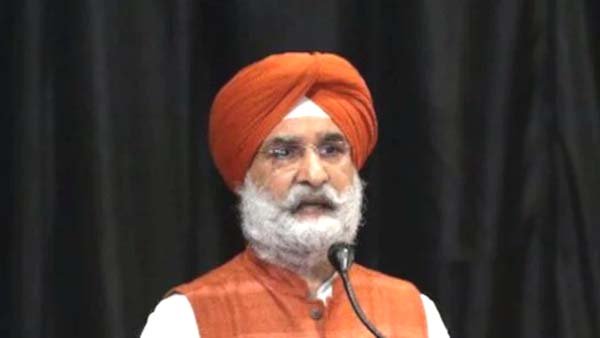
The statement was made by Akanksha Ranjan, Deputy Secretary (Nursing & Dental), Ministry of Health and Family Welfare, during a discussion on strengthening the nursing workforce in India and Australia, held in New Delhi on Monday.
To address the emerging health system challenges stemming from the shortage of the nursing workforce in the two nations, the Ministry of Health and Family Welfare, in collaboration with Edith Cowan University (ECU), Australia, and Johns Hopkins Program for International Education in Gynecology and Obstetrics (Jhpiego), a non-profit organization, on Monday inaugurated a two-day roundtable discussion to build a resilient, future-ready nursing workforce aligned with the Sustainable Development Goals (SDGs).
The theme for the discussion was ‘Strengthening the Nursing Workforce in India and Australia: Building Collaborative Pathways for a Resilient and Skilled Nursing Workforce Aligned with the SDGs’, the statement noted.
Ranjan highlighted that while 2.9 million nurses serve globally, the shortage stands at 4.5 million, “creating significant global demand and opening pathways for ethical and well-governed nurse migration.”
She further appreciated that India–Australia cooperation offers a valuable platform to jointly advance nursing education standards, expand workforce pathways, and promote ethical mobility, noting that bilateral collaboration can help both nations address emerging health system challenges more effectively.
The discussions identified priority areas for bilateral collaboration, including faculty development, joint research, exchange programmes, and digital learning innovations.
The workshop brought together senior officials from central and state governments, nursing leaders, academic experts, and development partners, and served as a platform to advance the national agenda on nursing and midwifery reforms.