



SHAHID K ABBAS
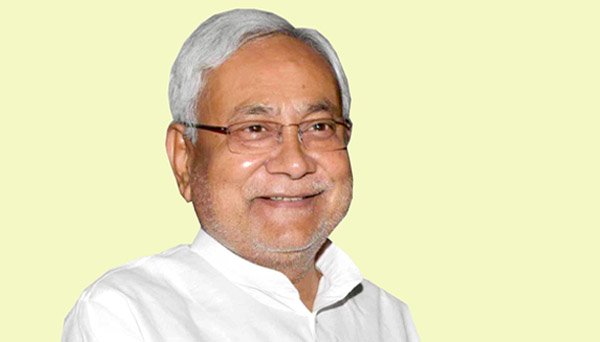
New Delhi, Nov 14 (UNI) As the Bihar Assembly election results start to trickle in, a complex political scenario is taking shape, one that could significantly alter the power dynamics within the ruling National Democratic Alliance (NDA). Early indications reveal a robust performance by the Bharatiya Janata Party (BJP), while the Rashtriya Janata Dal (RJD)-led Mahagathbandhan struggles to meet expectations, placing Chief Minister Nitish Kumar’s political future and bargaining clout under scrutiny.
With Bihar’s 243-seat assembly requiring a majority of 122 seats, Nitish Kumar’s influence within the NDA will largely depend on the combined strength of his party, Janata Dal (United), and the Mahagathbandhan’s tally. Early projections suggest the BJP alone is poised to secure a significant number of seats, potentially nearing or surpassing 90, while the Mahagathbandhan may secure around 35 to 40 seats. JD(U), with its current seat share hovering around 80-82, will find itself navigating a delicate balance.
This shift bolsters the BJP’s leverage within the coalition, potentially challenging Nitish Kumar’s longstanding role as Chief Minister. The BJP, riding on its electoral momentum, may push for a greater say in leadership decisions and governance priorities, while Nitish will need to carefully manage alliance equations to maintain his position.
Political analysts note that Nitish’s bargaining power is intricately tied to the opposition’s performance as well. A weaker Mahagathbandhan reduces the combined opposition strength, indirectly enhancing the NDA’s majority and BJP’s dominance. In such a scenario, Nitish’s ability to assert influence will depend on strategic negotiations and his party’s post-poll alliance decisions.
The stakes are high for Kumar, who has been a pivotal figure in Bihar politics for over a decade. His leadership has been credited with stabilizing the state’s governance, but the evolving electoral arithmetic signals a possible recalibration of power within the NDA. The BJP’s increased seat share could translate into demands for a more prominent leadership role or policy direction, testing the coalition’s cohesion.
As the final results approach, Nitish Kumar’s future as Bihar’s Chief Minister hangs in the balance, shaped by the interplay of electoral outcomes and alliance dynamics. The election outcome will not only decide Bihar’s political landscape but also redefine the internal power equations of one of India’s most significant political coalitions.