




Nayi Soch Ki Sawaari, an awareness initiative marks 100-event milestone of bringing together experts and the India trucking community
India is stepping up its efforts to accelerate Zero-Emission Trucking through well thought out policy roadmaps, by govt schemes that allocate segment wise subsidies and infrastructure development support, for a transition that positions India to decarbonize, strengthen energy security, and build global leadership in clean transport solutions. Yet, the people most impacted by this transition are often the last ones to be involved in the conversation. Often the drivers, mechanics and fleet operators, the very community that keeps the country’s freight system running, remain uninformed and unengaged. This gap not only slows down adoption but risks leaving those who have the most at stake in this shift vulnerable to misinformation.
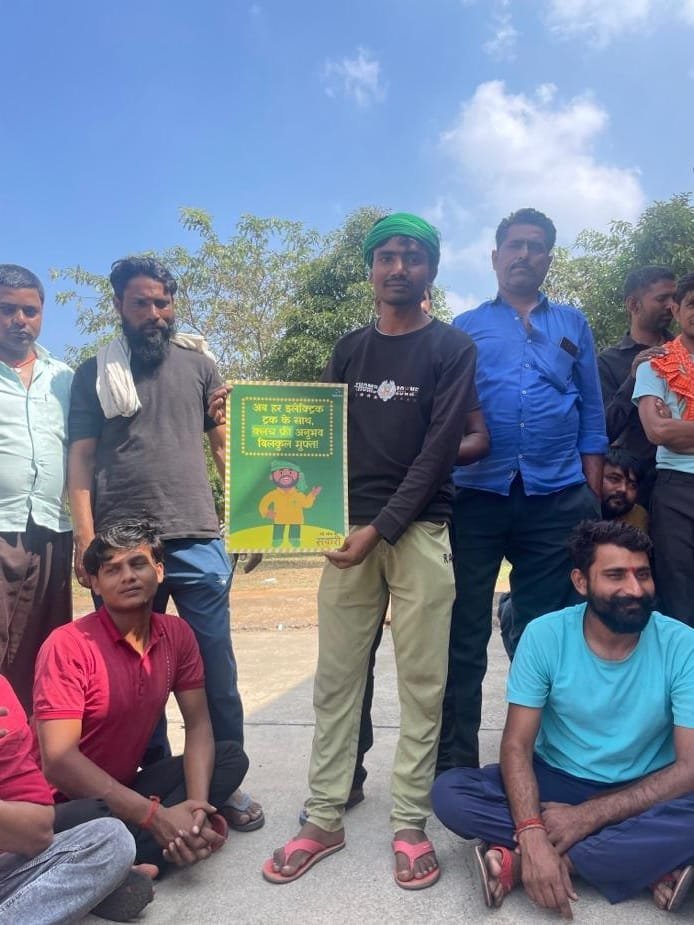
With over 100 awareness sessions in 28 cities across 8 states, Nayi Soch Ki Sawaari (NSKS), is bridging this gap and taking this transition to a complex mosaic of drivers, mechanics and fleet operators across formal and informal players in multiple states. Anchored by the Centre of Excellence for Zero Emission Trucking (CoEZET) at IIT Madras, the initiative is part of a broader effort that includes policy support, skill development, and standard-setting to ensure that India’s transition to Zero-EmissionTrucking is not only ambitious but also inclusive and just.
On the value of engaging the community directly, Mr. Ajithkumar TK, CEO CoEZET says, “Policy becomes real only when it meets the people. We at CoEZET want to make sure that the trucking community is no longer on the sidelines of the clean freight transition. We have installed a three-step communication process – “Awareness, Acceptance, Adoption” to reach-out to “User layers”, the most important stakeholders in the trucking ecosystem. With the right information and support, drivers, mechanics, and fleet operators can be the champions that help accelerate this transition from the ground up.”
To put truckers at the heart of the clean freight conversation, NSKS collaborated with experts to make technical information about electric trucks jargon-free, easy-to-understand and accessible. This not only helped tackle questions but also create a space where challenges could be explored openly, making these conversations feel both real and achievable.
“Before we started this initiative, a dipstick survey showed that only 16% fleet operators thought that electric trucks could be a viable alternative to traditional diesel trucks. Now this number has reached 68% based on our field survey. These are more than just statistics. They are stories of people who are willing to be part of the solution – if they get the right support” says Kritica Mahajan, Project Lead, Nayi Sock Ki Sawaari. While fleet operators express cautious optimism, due to concerns around upfront costs, charging infrastructure, range limitations, and uncertain demand, drivers are embracing the shift with enthusiasm. According to the NSKS field survey, 85% of driver participants were eager to try electric trucks, underscoring a growing awareness and willingness to be part of the transition.