




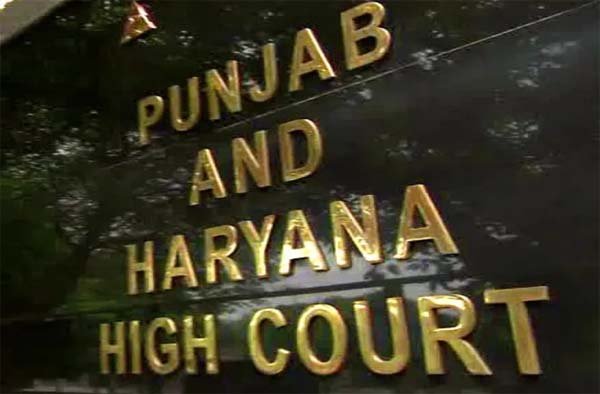
Chandigarh, Oct 28 (UNI) The Punjab and Haryana High Court has taken a stern view of the lack of basic amenities in government schools across Punjab and issued a notice to the state government seeking an explanation.
The court questioned why students were still deprived of essential facilities such as clean drinking water, functional toilets, proper furniture, and safe classrooms despite repeated assurances by the government.
During the hearing, the bench headed by Justice NS Shekhawat described the situation as “deeply concerning,” observing that governments make tall claims about improving education, yet the reality on the ground remains bleak.
The court remarked that until schools are equipped with minimum standards of infrastructure, the quality of education cannot be expected to improve.
The High Court directed the state government to submit a detailed report within four weeks, outlining the number of schools lacking drinking water, electricity, toilets, computer labs and security provisions.
Reports from several districts revealed that many schools still conduct classes in the open, while others function in unsafe, dilapidated buildings without electricity or sanitation facilities.
Taking serious note of the education department’s inaction, the bench observed that “it appears elementary education is not a priority for the state government,” as numerous schools operate without headmasters, teachers, or separate toilets for girls and staff.
Citing an example, the court noted that a middle school in Tapiala village, Amritsar, has only one teacher handling three classes in a single room, with no headmaster and just two toilets for all.
The court directed the Education Secretary to compile a district-wise list of all schools facing infrastructure and staffing shortages. Emphasizing that education is a constitutional right under Article 21-A and the Right to Education Act, 2009, the court said the state is duty-bound to provide a safe and dignified learning environment for every child.
The education department has also been instructed to file an affidavit detailing, school-wise, the number of classrooms, teachers, vacant posts, toilet facilities, playgrounds, and provisions for girls such as sanitary vending machines. The government must also present its plan of action to remedy these deficiencies.
The court warned that if substantial progress is not shown by the next hearing, it may consider converting the matter into a public interest litigation to ensure accountability. The intervention came after years of complaints regarding inadequate facilities and teacher shortages in Punjab’s government schools.